Creating and maintaining healthy soils
Soil is a natural resource, like air, water, land, and biodiversity, and plays a vital role within sustainable ecosystems. The basic components of soil are minerals, organic matter, water and air.
“Soil is life. We breathe the air, we drink the water and we eat the crops, we live on the soil. Soil stores twice as much carbon globally as the vegetation above ground and is a universe of microbial life working with plants to balance the carbon, nitrogen and oxygen levels in the air. It is fundamental and vital that soil health is appropriately funded and supported if we are to tackle the global challenges that our planet faces.” – James Hutton Institute
Composting provides organic matter which when applied to soils has positive effects on soil structure, drainage, water retention, nutrient supply and carbon storage.
What are healthy soils?
The definition of what healthy soil is can vary depending on the land use. The Scottish Government has identified seven factors that are considered extremely important:
- The amount of organic matter
- The depth to which soil containing organic matter goes
- How easily soil erodes
- How dense the soil is
- The diversity of bacteria (and archaeal) activity
- The diversity of fungal and nematode diversity
Why composting is important
The soil association has produced a useful guide on the importance of composting on soil health, which is available here. In summary:
- Compost builds soil organic matter fast
- Soil microbes like compost and these support the storage and recycling of nutrients, as well as structure
- The bulk density of soil is reduced with compost which increases water and gas flow and infiltration
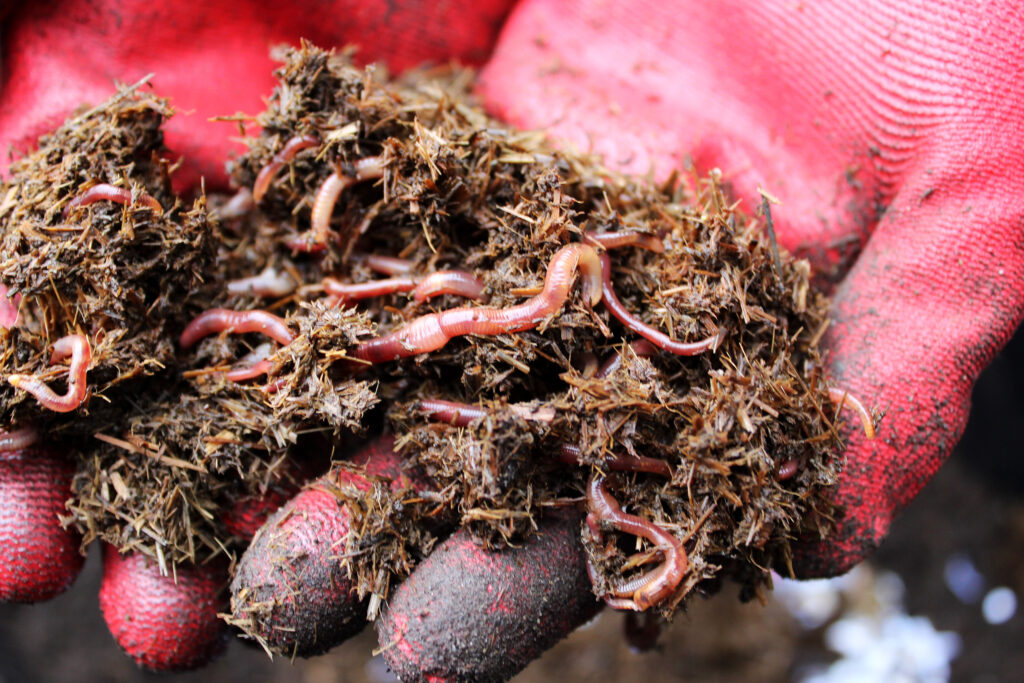
The power of worms!
Worms can eat about half their body weight in food waste in one day. They can turn kitchen and garden waste (excluding meat) into nutrient-rich compost and a liquid fertiliser called worm tea.
The Soil Association comments that many of the soil quality and yield benefits (amount harvested) from adding compost (compared to inorganic fertilisers) can take several years to show, however, the benefits of doing this have been proven to be worthwhile.
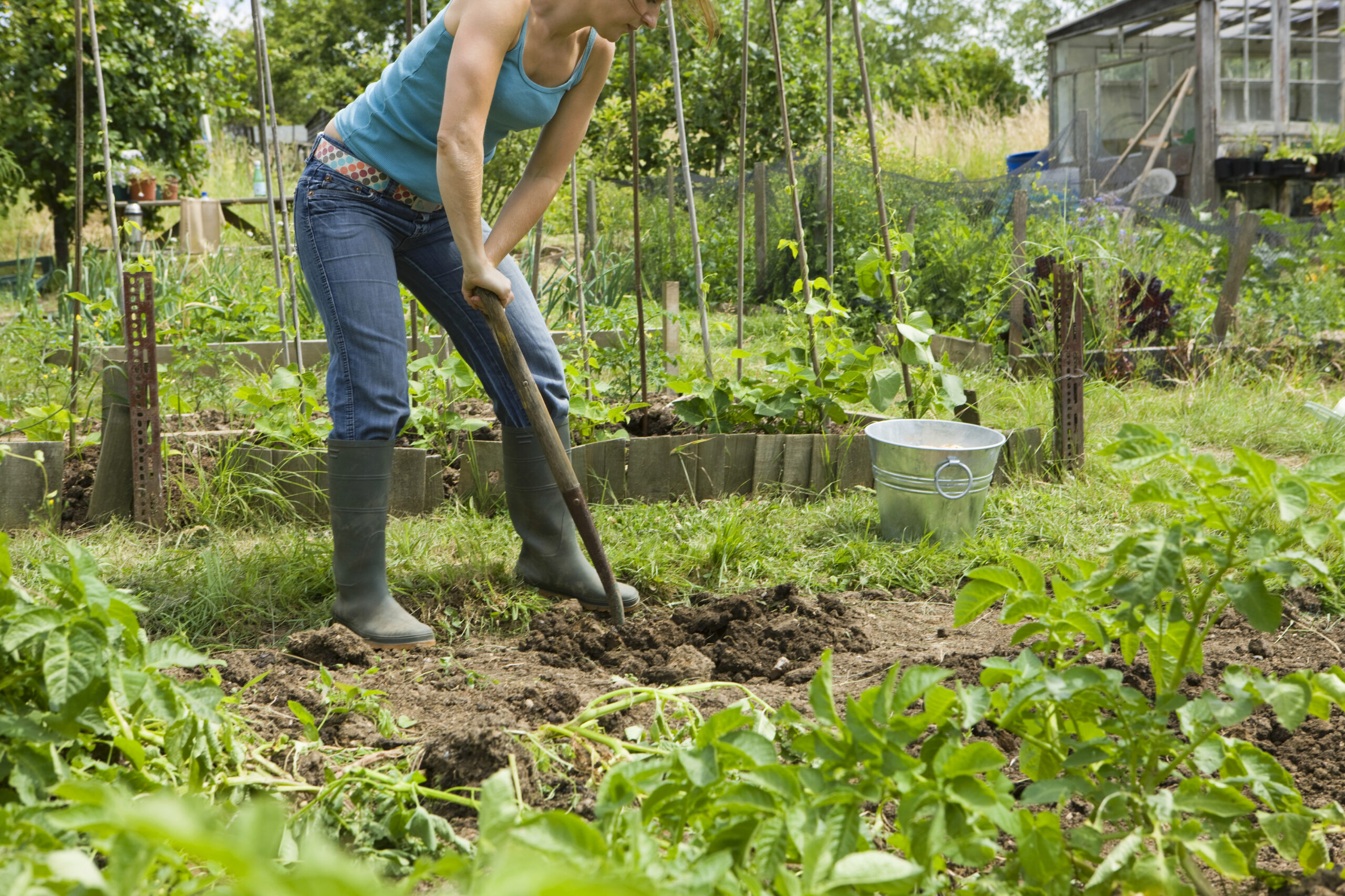
There is also growing evidence that No-Dig gardening cares for soil whilst often meaning much less work! This link provides more information from the Royal Horticultural Society for the benefits of No-Dig for your soils.