Make the most of food!
Managing surplus food and other resources locally
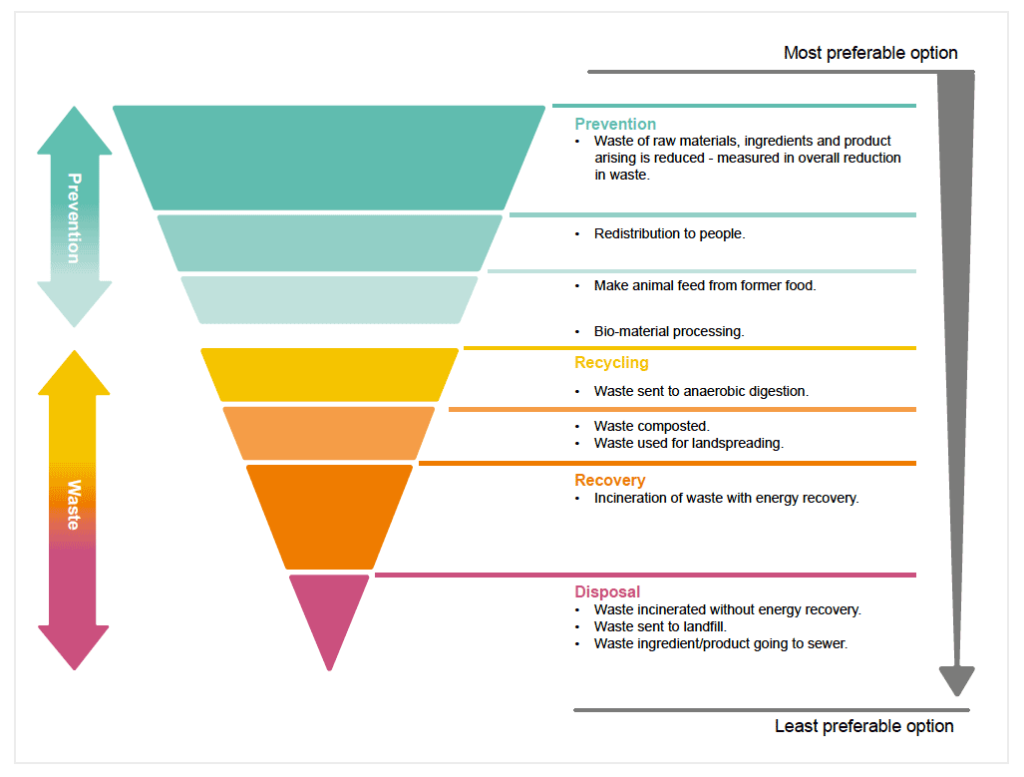
The term “food redistribution” refers to food that in the past may have been put into the waste stream, but is now recovered and used (donated or sold) within communities. Such food is still safe to eat even though it may, on some occasions, be close to its “best before” date. In recent years food banks, larders and other community projects have developed food provision services (supply chains) to ensure that surplus food is redistributed rather than being wasted and sent for disposal. In the Scottish Government’s food waste reduction plan redistribution is one of the most preferred options, as shown in the waste hierarchy figure below.
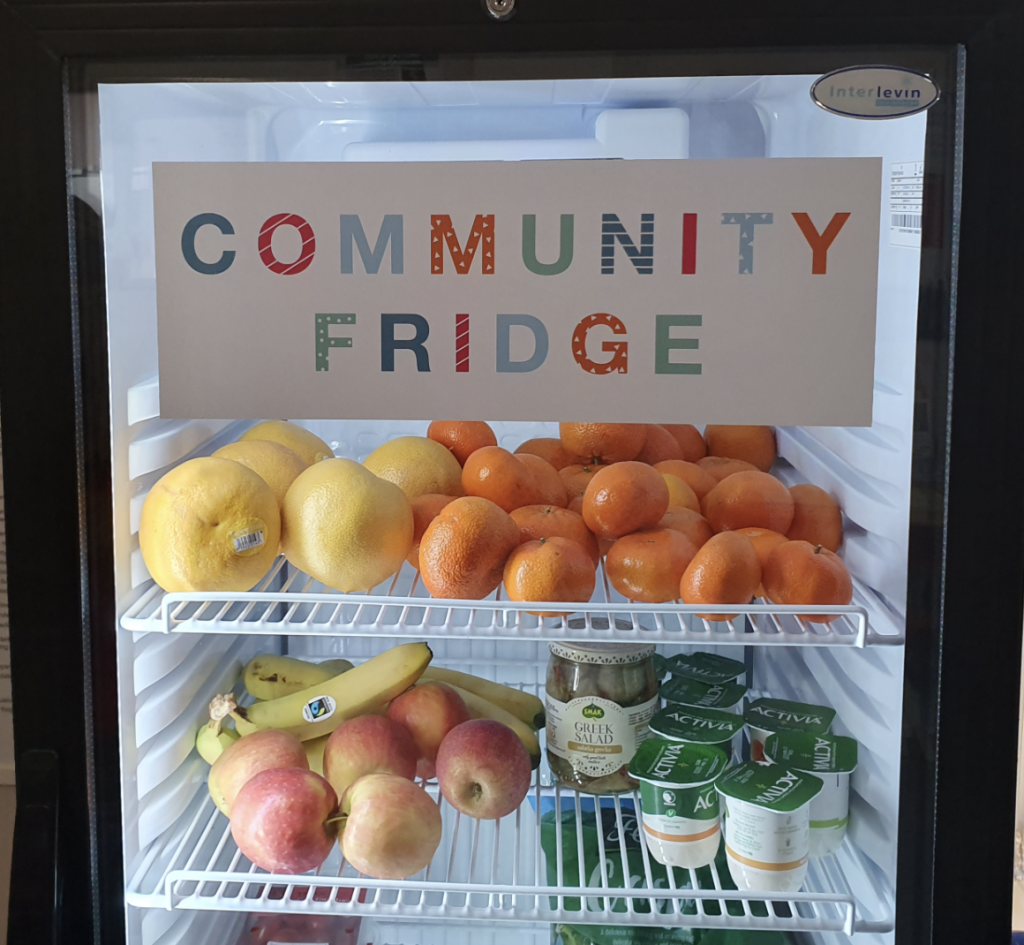
If you are considering the potential for setting up a project to take surplus food for composting e.g. from hotel and restaurant canteens, you should consider first if there are opportunities for making this food available to people within the community. An increasingly common approach is the community fridge or larder model. The community as a whole distributes and uses the food, normalising the benefits of reducing food going to waste whilst also preventing the stigma that some people feel accepting surplus food from food banks. One organisation that can help with resources and support is Hubbub and the community fridge network.
Zero Waste Scotland’s Love Food Hate Waste website has support and tips on how to make the most of food with lots of ideas on storage to make it last, along with lots of delicious recipes. The website also explains why this matters, with information on cost savings and benefits to the environment. It’s a great resource, so do check it out for ideas to help you save money and reduce the amount of food you throw away. Another good resource is the Food Waste Challenge originally developed by Transition Black Isle through the Highland Community Waste Partnership.
Support is also available for businesses, to help identify ways of reducing waste, for example, in hotel and restaurant kitchens,
The charity CFINE operates FareShare Grampian, Highlands and Islands and redistributes good quality, in-date surplus food from the food industry that would otherwise go to waste. The organisation passes this on to Community Food Members, consisting of other charities and community organisations, who then provide food to people in the local community. The idea is to reduce food waste and make the most of surplus food. CFINE has Community Food Members throughout Grampian and the Highlands & Islands and works closely with communities to maximise the amount of surplus food redistributed. These members are in a number of communities within Lochaber, Skye, Caithness, Sutherland, Ross-shire and Inverness-shire.
Providing nutrients for community growing projects
When food waste cannot be avoided or redistributed to people in your community the hierarchy above shows what the preferred options are. This could lead to food waste becoming a part of your composting project – which in turn can be a nutrient-rich soil conditioner, supporting any local food growing project.